
Currently Empty: ₦0.00



Tax News
Nigeria’s 5% Fuel Tax Plan Sparks Union Threats, Political Backlash
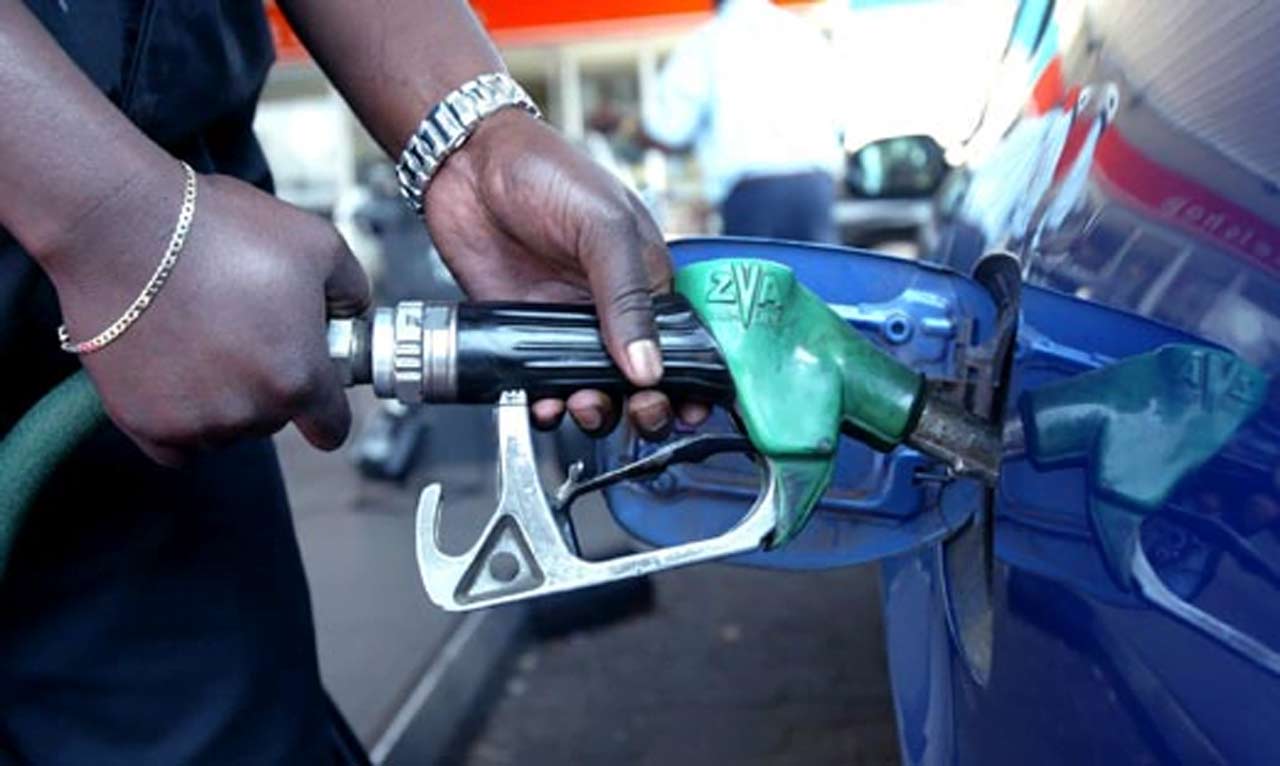
Nigeria’s Trade Union Congress (TUC) has threatened a nationwide strike if the government implements a proposed 5% tax on petroleum products.
• The government intends the tax to fund infrastructure development, while unions and the opposition criticize its timing amid high inflation and recent fuel subsidy removal.
• The TUC has issued a 14-day ultimatum to the government to withdraw the plan, with inflation currently at 21.8% as of July 2025.
Nigeria’s government faces significant social unrest over its proposed 5% tax on petroleum products. The Trade Union Congress (TUC), one of the country’s two major labor federations, issued a statement on Monday, September 8, 2025, threatening a national strike if authorities implement the measure. This comes as President Bola Tinubu’s administration pursues a series of reforms aimed at boosting tax revenue to finance development, measures that have ignited fierce opposition in a nation grappling with around 22% inflation.
Authorities state this new tax will mobilize funds for critical infrastructure, a sector deemed essential for national development. The Nigeria Tax Administration Act already provides for such a tax. It would be “calculated based on the retail price of gasoline and diesel” and applied to “all taxable fossil fuels supplied or produced in Nigeria, to be collected at the point of supply or sale.” Kerosene, liquefied petroleum gas (LPG), compressed natural gas (CNG), and renewable energy sources would remain exempt.
While a similar tax is not unprecedented in Nigeria’s fiscal system, its timing has particularly incensed unions and the opposition. Since assuming office, President Bola Tinubu has initiated extensive economic reforms, notably removing fuel subsidies. These measures, combined with the naira’s volatility, have triggered sharp increases in the prices of petroleum products and food staples. Although annual inflation has marginally declined over the past four months, it remained one of the sub-region’s highest at 21.8% in July 2025.
“When will Nigerians truly breathe? […] Why tax citizens who cannot even breathe anymore?” questioned Peter Obi, a former presidential candidate and opposition figure, on X. He further stated, “This 5% fuel tax should wait until Nigerians begin to see tangible improvements in their lives from all the many promises from Mr. President.”